Planar Inverted-F Antenna (PIFA)
Microstrip & Printed Antennas Microwave UHF Mobile
A folded, shorted patch that fits an efficient antenna into a tiny device.
- Band
- UHF to SHF
- Gain
- ~0-4 dBi
- Polarization
- Linear
Photos
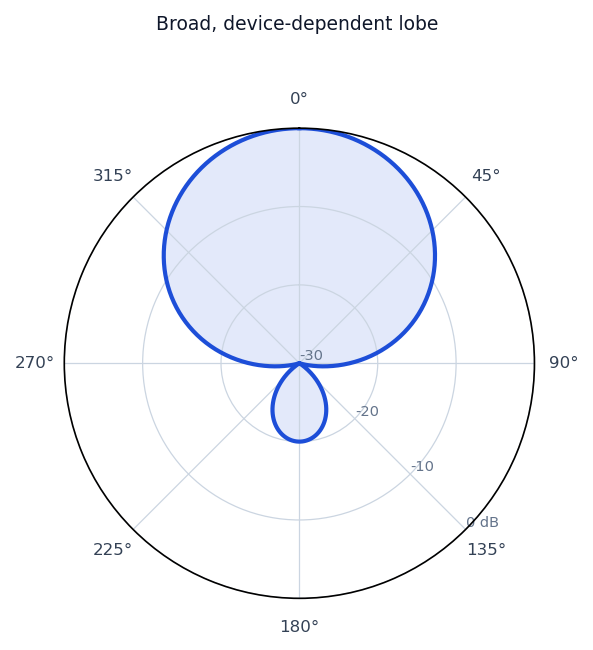
Radiation / wave patterns
New to these diagrams? How to read a radiation pattern →
How & why it works
A PIFA takes a patch antenna and shorts one edge to the ground plane with a pin or strip, which lets a quarter-wavelength resonance fit in roughly half the length of a normal patch. The 'inverted-F' name comes from the side profile formed by the feed and shorting posts. This compactness, low profile, and reduced radiation toward the user's head make the PIFA a workhorse internal antenna in phones, tablets, and other handheld devices.
Real-world uses
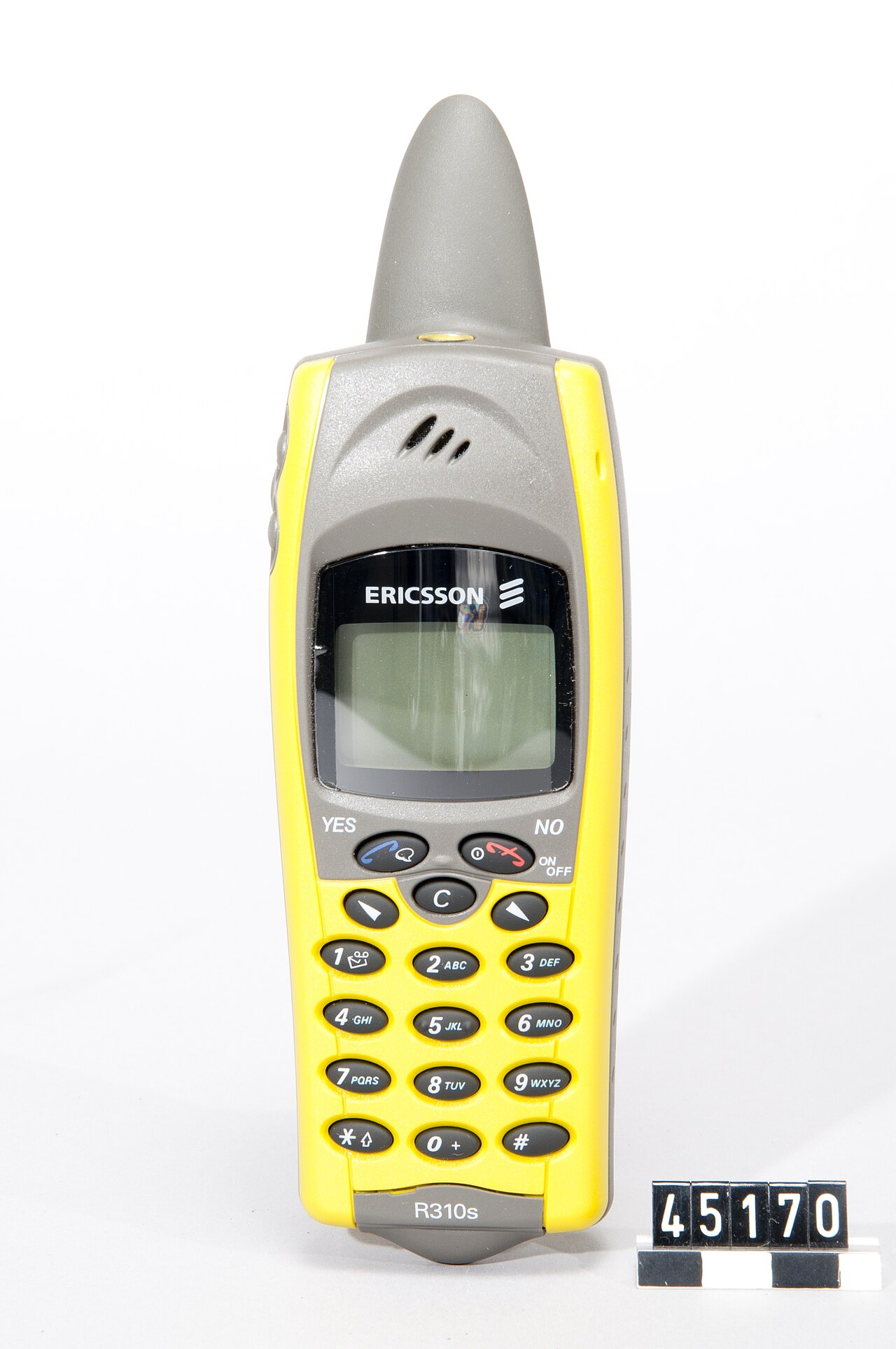
Mobile phones, Wi-Fi/Bluetooth modules, laptops, and other compact wireless devices.